Home / What Does Rodent Inspection Include
We Check 30+ Spots You'd Never Think to Look
One of the most consistent things we hear from Spring Hill homeowners who’ve had a prior rodent treatment fail is: “They came out, set some traps, and left. They didn’t really inspect anything.”
The Exterior Roofline: The Most Important Part
A professional rodent inspection is not the same as a service visit where traps are placed. Here’s what a complete inspection actually covers, and what the difference means for whether the treatment works.
The roofline inspection is where most general pest company inspections fall short. A visual check from the driveway identifies obvious issues but misses the entry points that actually drive most Spring Hill infestations.
A complete roofline inspection requires a ladder and hands on every soffit panel. The gap at the top of a soffit panel where it meets the rafter tail, the most common roof rat entry point in Hernando County, is invisible from the ground and only findable by physically testing each panel for movement or gap.
What gets checked:
- Every soffit panel along the full roofline perimeter, by hand
- Every roof vent cover, screen condition, frame seal, any displacement
- All fascia board corners and eave returns
- Every utility penetration, HVAC, electrical, cable, plumbing
- AC chase opening and weather cap condition
- Any tree branches within 3 feet of the roofline, flagged but not sealed
This portion of the inspection takes 20 to 30 minutes on an average Spring Hill home. It cannot be done from the ground.
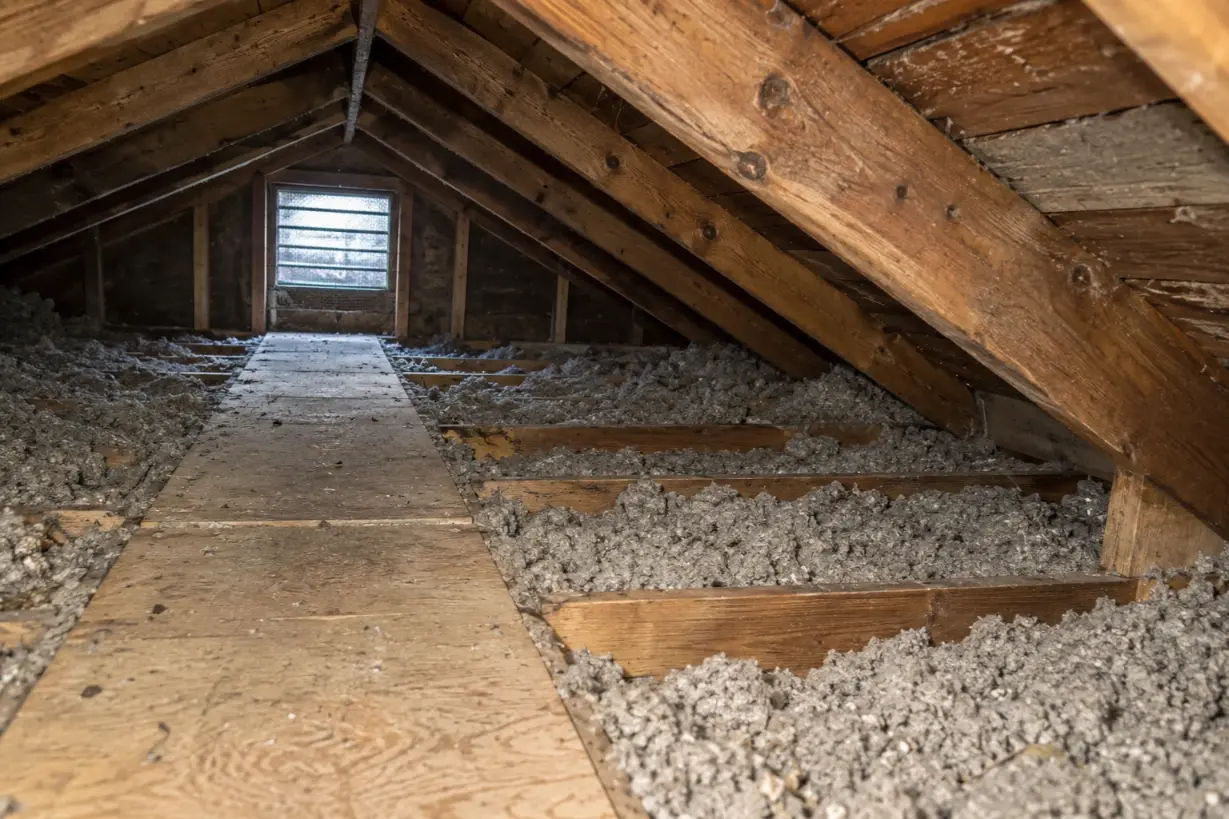
The Attic Interior: Where Evidence Lives
After the exterior inspection, we access the attic and document the interior:
Droppings, location, density, fresh vs old (tells us how long the infestation has been active and which zones are most active)
Travel routes, compressed channels in insulation where rats run the same paths repeatedly; rub marks on rafter and joist edges
Nesting sites, compressed insulation pulled into balls, nesting material integrated into insulation, location tells us where the primary colony is established
Urine saturation zones, areas where insulation has absorbed urine; detected by ammonia odor and visible discoloration
Wiring condition, any visible gnawing on Romex runs or junction box areas; photographed and documented for electrician follow-up if present
Entry points from inside, some roofline gaps are more clearly visible from the interior attic than from outside; cross-referenced with exterior findings
Ground Level and Interior
Depending on species evidence, the inspection extends to:
Foundation perimeter, weep holes and ground-level gaps (Norway rat, relevant in Hernando Beach and low-lying areas)
Garage threshold and walls, gap at wall-to-slab junction, garage door corner seals, utility conduit entries
Kitchen and cabinet areas, when mouse evidence has been reported; under-sink plumbing penetrations, water supply line gaps, dishwasher utility chase
The Written Report and Estimate
After the inspection, you receive:
Entry point list, every entry point found, photographed, described, and priority-rated (seal immediately vs seal this visit vs monitor)
Activity map, where droppings were found, where travel routes are, where nesting was located
Itemized written estimate, each entry point to be sealed with material listed, trap placement scope, return visit, any cleanup assessment; every line separate, nothing open-ended
No work begins without the estimate being reviewed and approved. The estimate is the product of the inspection, not an upsell that happens after the technician leaves.
Frequently Asked Questions
How long does a professional rodent inspection take in Spring Hill?
60 to 90 minutes for an average Spring Hill home, roofline perimeter walk, attic interior, ground level, and interior kitchen if mouse evidence is present. Larger homes with complex rooflines take longer. We give a time estimate on the initial call based on what you describe.
Should I be home for the rodent inspection in Spring Hill?
For the first visit, yes, or someone who can authorize the estimate. We need access to the attic hatch and the garage. For the return visit at 7 to 10 days, access can sometimes be arranged independently, discuss this on the initial call.
What does the written report from a Spring Hill rodent inspection include?
Before-and-after photos of every sealed entry point, attic activity map, trap placement locations, wiring damage notation if found, and attic cleanup assessment. It’s a complete document of what was found and what was done, not a service receipt.