
Home / What Is Rodent Exclusion
Trapping Without Sealing Is Just a Revolving Door
Rodent exclusion is the physical sealing of every opening rodents use to access your home, using materials they cannot chew through, pull away, or push past. It’s the step that makes rodent control permanent. Without it, any population removed by trapping is replaced within weeks by new animals from the surrounding area using the same entry points.
Why Trapping Alone Doesn’t Last in Hernando County
Think of it this way: snap traps in your attic remove the animals currently inside. But if the gap at the top of your soffit panel is still open, the gap where roof rats have been entering from the oak canopy bridge in your Woodland Waters yard, new animals from the surrounding population find that same opening within days.
In Hernando County, the surrounding roof rat population is active year-round. There’s no seasonal lull, no winter that reduces pressure. A Spring Hill attic with an open entry point and a snap trap program is continuously available for new animals to enter. The trap catches them. New ones arrive. The cycle continues until the entry point is physically sealed.
What Exclusion Materials Actually Work in Florida
Stainless steel hardware cloth (1/4-inch mesh)
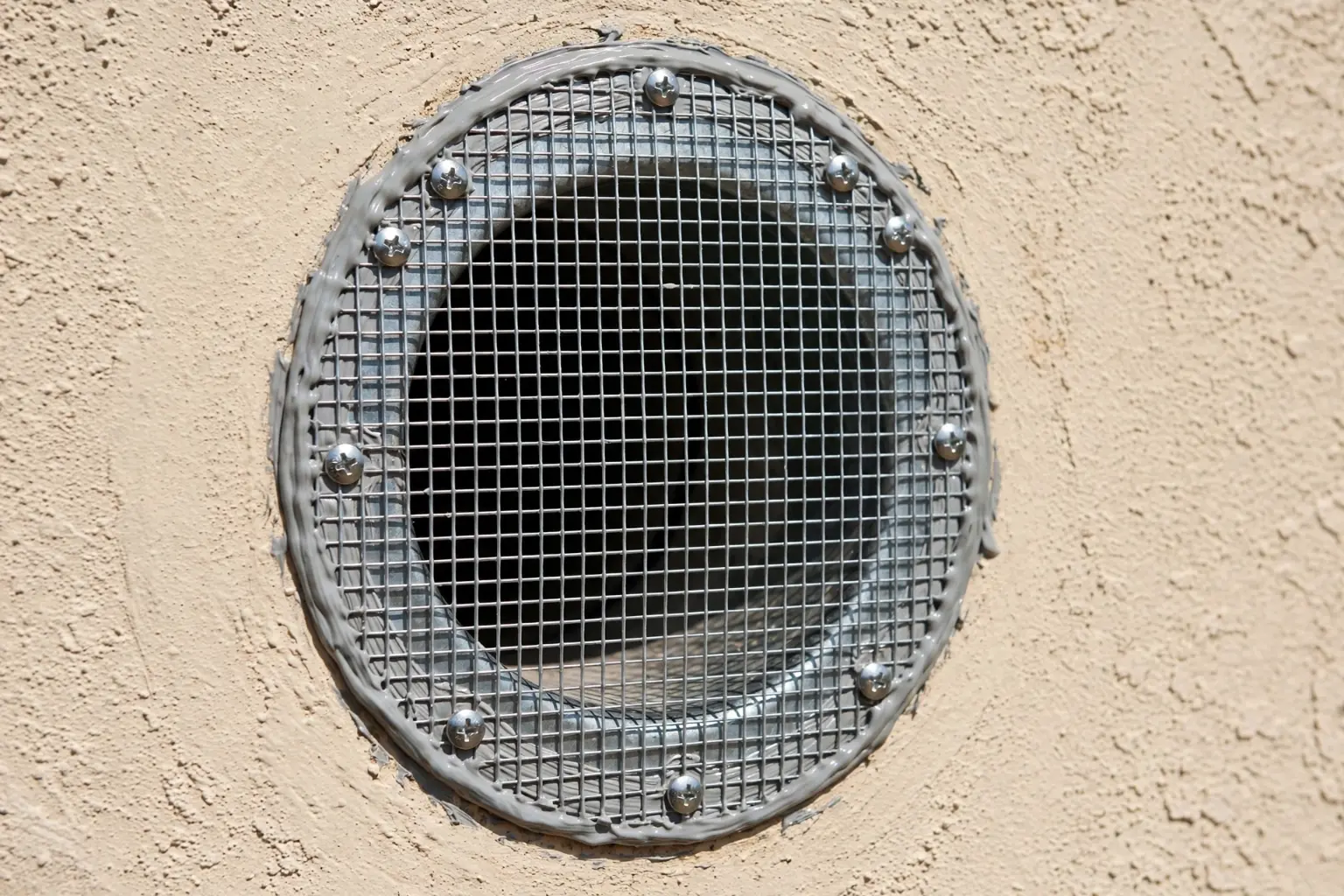
This is the primary exclusion material for soffit gaps, vent openings, and structural gaps. Rats cannot chew through stainless steel mesh. It’s rust-resistant in Florida’s humidity and UV-resistant indefinitely. This is the right material for Florida’s climate, not galvanized mesh (which rusts) and not foam (which rats chew through and which degrades in heat).
Metal flashing
Used at fascia board gaps, eave corner returns, and any opening where a flat seal is needed. The same material used in roofing, appropriate for outdoor exposure and hurricane-season conditions in Hernando County.
Fitted galvanized vent guards
Manufactured vent covers sized to replace deteriorated plastic or rusted metal screens on roof vents. Secured with screws to the vent frame rather than clipped on, which is how original covers get displaced in wind events.
Copper mesh
For irregularly shaped gaps around pipe and conduit penetrations. Flexible enough to pack tightly around irregular shapes, non-corrosive, and impossible for rats to chew through.
The Correct Sequence: Why Order Matters
Exclusion before trapping, always. Here’s why:
If you seal entry points without first removing the animals inside, you trap them in the structure. They’ll die inside walls or insulation. In a Spring Hill summer, that creates a weeks-long odor problem that may require opening walls.
If you trap without sealing, you remove individuals from a continuously replenishing population. New animals replace the ones caught within days.
The correct sequence:
- Map every entry point during inspection
- Seal all external entry points with permanent materials
- Place mechanical traps inside active zones
- Return visit at 7 to 10 days to clear traps and verify exclusion
Exclusion vs Proofing: What’s the Difference
These terms are often used interchangeably. The practical distinction: exclusion is reactive, done in response to a confirmed infestation. Proofing is preventive, done before an infestation to close access before anything enters.
The physical work is identical. The cost difference is that proofing doesn’t include trapping, a return visit for trap clearance, or attic cleanup assessment, because there’s no infestation present. Proofing done in April or May, before the June rainy season surge, prevents the infestation that would otherwise require the more expensive reactive exclusion service.
Frequently Asked Questions
What is the difference between rodent exclusion and pest control in Spring Hill?
Standard pest control typically means trapping or bait application. Rodent exclusion is the physical sealing of every structural entry point with materials rodents can’t defeat, stainless hardware cloth, metal flashing, fitted vent guards. Exclusion makes control permanent; pest control without exclusion requires continuous retreatment.
How long does rodent exclusion last in Florida’s climate?
Stainless hardware cloth and metal flashing last 10 or more years in Florida’s climate, they don’t degrade from heat, humidity, or UV. The variable is storm damage. Hurricane-force winds can displace properly secured vent guards or lift sealed soffit sections. Annual inspection after hurricane season confirms original exclusion work is intact.
Does exclusion work for both rats and mice in Spring Hill?
Yes, but the entry points targeted differ by species. Roof rat exclusion focuses on the roofline, soffit panels, vent screens, utility penetrations. House mouse exclusion focuses on cabinet and ground level, water supply penetrations, garage slab junctions, under-sink gaps. A complete dual-species inspection identifies both and addresses them in the same service visit.