
Home / How Rats Get Into Florida Homes
A Rat Needs a Hole the Size of a Quarter. That's It.
This question is one of the most common searches that leads people to contact us. Understanding the entry mechanism is useful both for homeowners who want to understand the problem and for those considering whether a DIY approach to exclusion is realistic.
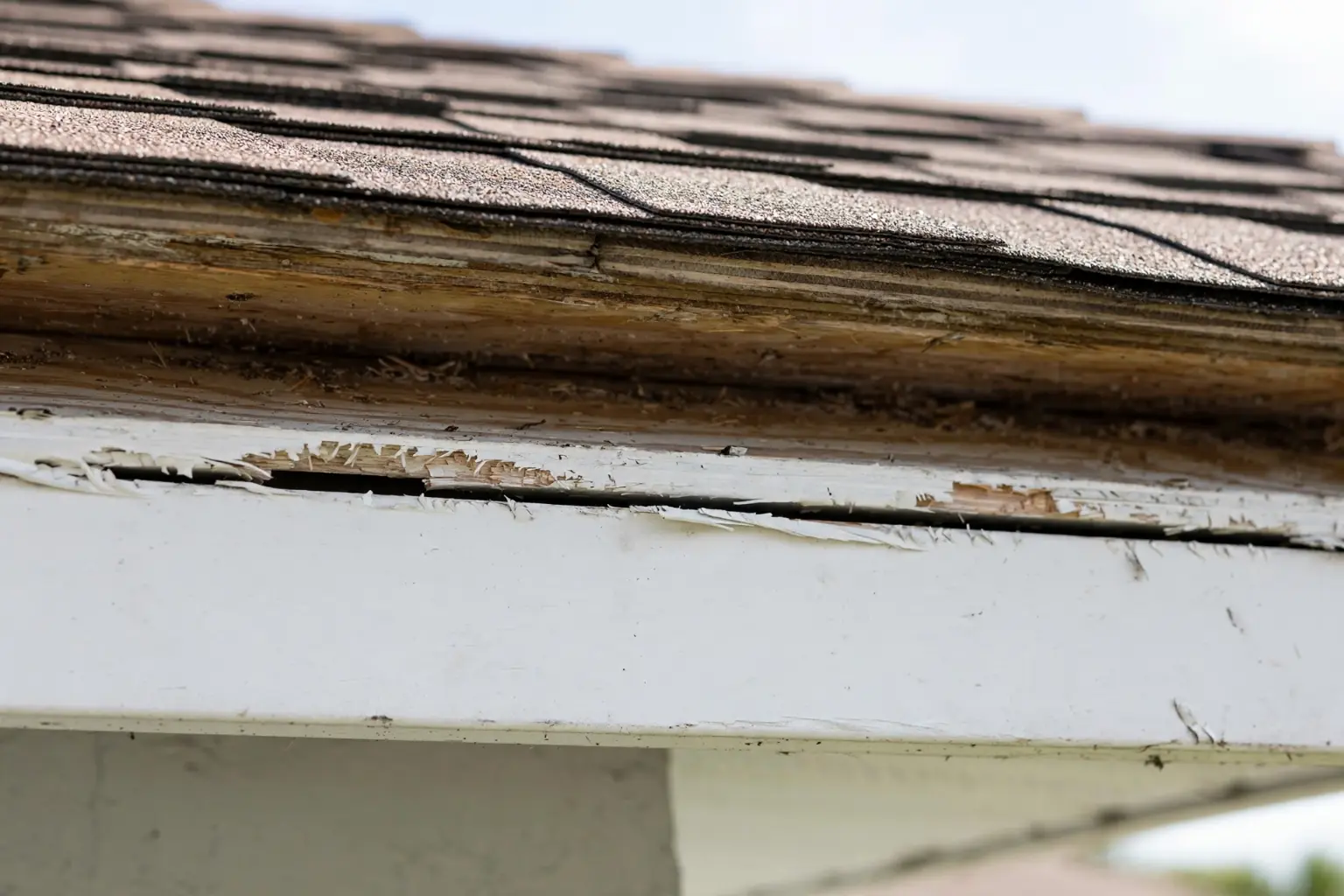
Roof Rat Entry: Roofline Only
The short answer: roof rats in Florida enter almost exclusively from the roofline. House mice enter from cabinet and ground level. Norway rats enter from the foundation. Each species has a different inspection scope.
Roof rats (Rattus rattus) are aerial animals. They enter structures from above, from the roofline, not from ground-level gaps or foundation weep holes. In Spring Hill’s heavily wooded neighborhoods, they reach rooflines via tree canopy bridges.
The entry points that matter for roof rat exclusion:
Soffit panel gaps, The gap at the top edge of a soffit panel where it meets the rafter tail. Only visible from a ladder position with hands on the panel. This is the most commonly missed entry point by ground-level inspections.
Roof vent screens, Plastic screens brittle from UV, metal screens rusted from humidity. Failed screens are direct, immediate roof rat entries.
Fascia board corner returns, Where two fascia sections meet at a corner, particularly at hip roof returns. Gaps develop through heat cycling over decades.
Utility penetrations, HVAC refrigerant lines, electrical conduit, cable, and plumbing passing through the roofline. Gaps around these penetrations are rarely sealed adequately at original installation.
AC chase opening, Where the refrigerant line bundle enters the roofline. Weather caps are often friction-fitted and can be displaced by storm winds.
House Mouse Entry: Cabinet and Ground Level
House mice (Mus musculus) don’t typically enter from rooflines, they enter at ground and cabinet level through gaps as small as a dime.
Water supply line gaps, Behind kitchen cabinets where the supply line passes through the back wall. Often larger than the pipe diameter, rarely sealed at original construction.
Garage wall-to-slab junction, Where the interior garage wall meets the concrete slab. This gap is the most common mouse transit route from garage to kitchen wall cavity.
Under-sink plumbing penetrations, Drain and supply lines through cabinet floors have gaps around them that go uninspected for years.
Dishwasher utility chase, The gap behind the dishwasher where power, water, and drain lines exit through the wall.
Norway Rat Entry: Foundation and Ground Level
Norway rats (Rattus norvegicus) burrow at ground level and enter through foundation-level openings. In Hernando County, they’re most common near water, Hernando Beach, drainage corridors, and the Weeki Wachee River area.
Foundation weep holes, Small drainage openings in block construction foundations. Standard in Hernando County homes. Norway rats enter through these directly.
Under-slab gaps, Settlement creates gaps at the foundation perimeter, particularly near AC condenser pads and utility conduit entries.
Crawl space vents, In elevated foundation homes in the Shady Hills and rural 34610 areas, deteriorated crawl space vent screens are primary Norway rat entries.
Why a Ground-Level Visual Check Misses Most of These
The most significant roof rat entry points, soffit panel gaps at rafter tails, are invisible from below. They’re only findable from a ladder with hands on each panel. A visual inspection from the driveway, which is standard practice for many general pest companies, produces an incomplete entry point map that leads to an incomplete exclusion that leads to treatment failure.
A complete exclusion inspection requires: full roofline walk from a ladder, attic interior inspection to cross-reference with exterior findings, and ground-level exterior inspection for Norway rat and mouse access points.
Frequently Asked Questions
How small a gap do rats need to enter a Florida home?
Roof rats need a gap the size of a quarter, approximately 1/2 inch. Norway rats need approximately 3/4 inch. House mice need only 1/4 inch, the size of a dime. This is why gaps that look minor from the ground are functional entry points, and why inspection requires checking every soffit panel by hand from a ladder.
Do roof rats enter Florida homes from the ground?
Rarely. Roof rats are aerial animals that enter structures from the roofline, not from ground-level foundation gaps. That’s Norway rat territory. If you have activity in the attic and no ground-level evidence, the entry points are almost certainly on the roofline, not at the foundation.
Can rats enter a Florida home through the AC unit?
Not through the operating AC unit itself. However, the chase where refrigerant lines and the drain line enter the roofline is a common entry point if the weather cap has been displaced or was never properly sealed. This opening is checked on every Spring Hill roofline inspection.