Home / Rats In Attic What To Do First
Don't Go Up There — Do This Instead
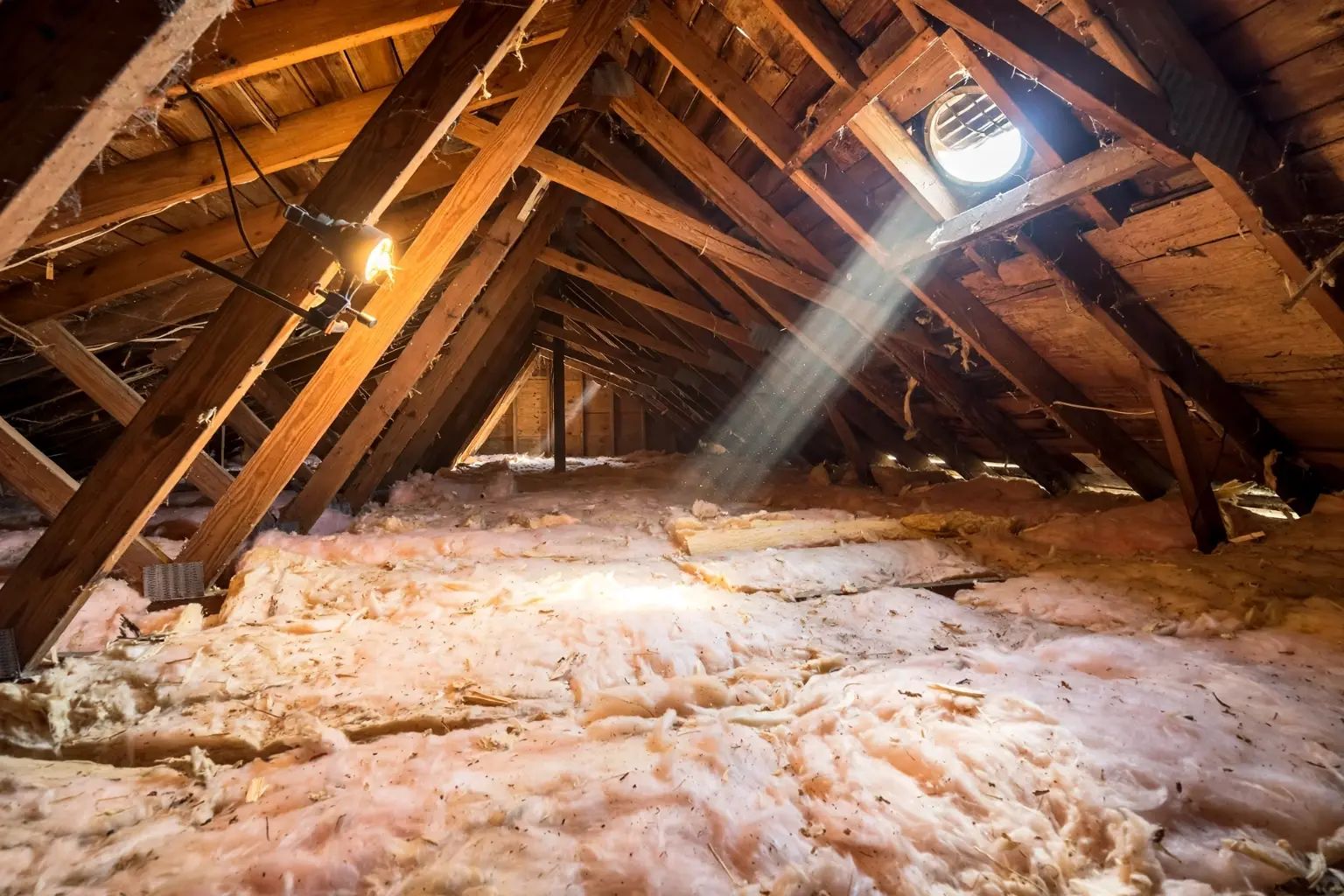
You confirmed it. The sounds are in the attic. They start around dusk and run for hours. You went up with a flashlight and saw droppings across the insulation, or a compressed channel through the batting where something has been running. You know what you’re dealing with.
Do These Three Things First
Here’s the practical first-48-hours guide for Spring Hill homeowners at this exact moment.
Don’t use poison bait
The most common mistake in the first 24 hours. Rodenticide sends rats to die inside wall voids or deep in insulation looking for water. In a Spring Hill attic in summer, that creates a weeks-long odor problem that may require cutting into walls. Hold off on bait entirely, it creates problems that outlast the original infestation.
Don’t seal visible gaps yet
If you spotted a soffit gap or displaced vent screen, leave it. Sealing one obvious entry point without mapping every other one redirects animals to the unsealed points and may trap animals already inside. The inspection maps the complete picture first.
Leave the attic alone until the inspection
Dry rat droppings disturbed without respiratory protection become aerosolized particles, a genuine leptospirosis and hantavirus inhalation risk. Don’t disturb the attic insulation before the professional inspection. The evidence you leave in place helps us map the active zones accurately.
What to Document Before You Call
Two minutes of notes before the call makes the inspection more useful:
- What time the sounds start and stop (roof rats: dusk to 4am; squirrels: during the day)
- Where in the attic the sounds are louder (which ceiling area, which corner)
- What the droppings look like if you saw them (raisin-size = roof rats; rice-grain = house mice)
- Any exterior damage you noticed from the ground
- Whether you’ve already placed traps or bait and what happened
Why Timing Matters in Spring Hill Specifically
A Spring Hill attic infestation left untreated for another month means:
- The population grows, roof rats produce litters on a 6-week cycle year-round
- Attic contamination increases, more droppings accumulation, more urine saturation in insulation
- Wiring exposure extends, more time for gnawing damage to electrical runs
- Cleanup scope grows, a 4-week infestation is a fraction of the remediation cost of a 12-week one
Florida’s year-round breeding means no seasonal slowdown coming. The infestation that started this month is still growing next month without intervention.
What Happens at the Inspection
Full roofline walk from a ladder, attic interior documentation, written findings, itemized quote, before any work begins. Exclusion happens the same visit if you proceed. Traps placed after exclusion is complete, not before. Return visit at 7 to 10 days. Written photo report delivered.
If it’s confirmed roof rats in a Spring Hill attic, same-week scheduling is the right timeline. Not next month.
Frequently Asked Questions
How do I know if it’s rats or squirrels in my Spring Hill attic?
Timing. Roof rats are nocturnal, sounds start at dusk and stop by sunrise. Squirrels are active during the day and silent at night. Night sounds in a Spring Hill ceiling have a high probability of being roof rats, especially in wooded neighborhoods like Woodland Waters or Timber Pines.
Can rats in a Spring Hill attic go away on their own?
No. Florida’s subtropical climate means roof rats breed year-round with no winter slowdown. A population that established in your attic has no environmental pressure to leave. Without exclusion of the entry points and removal of the interior population, the infestation continues growing.
How fast can you get to a Spring Hill attic inspection?
Most Hernando County inspection requests are scheduled within 2 to 4 business days. If wiring damage is a concern or the infestation appears severe, communicate that on the initial call and we’ll prioritize scheduling.