
Home / Dead Rat Smell Attic Wall
Find It Fast, Remove It Right, Sanitize After
The smell starts and it’s unmistakable. Something has died in the wall or attic. In Spring Hill, where summer attic temperatures exceed 130°F, what takes two weeks to fade in a cooler climate can run four to six weeks here.
Why It’s Worse in Florida Than Most Places
This is almost always traceable to one cause: poison bait was used, either by a prior occupant, a previous pest company, or the homeowner, before the entry points were sealed.
Attic heat accelerates decomposition
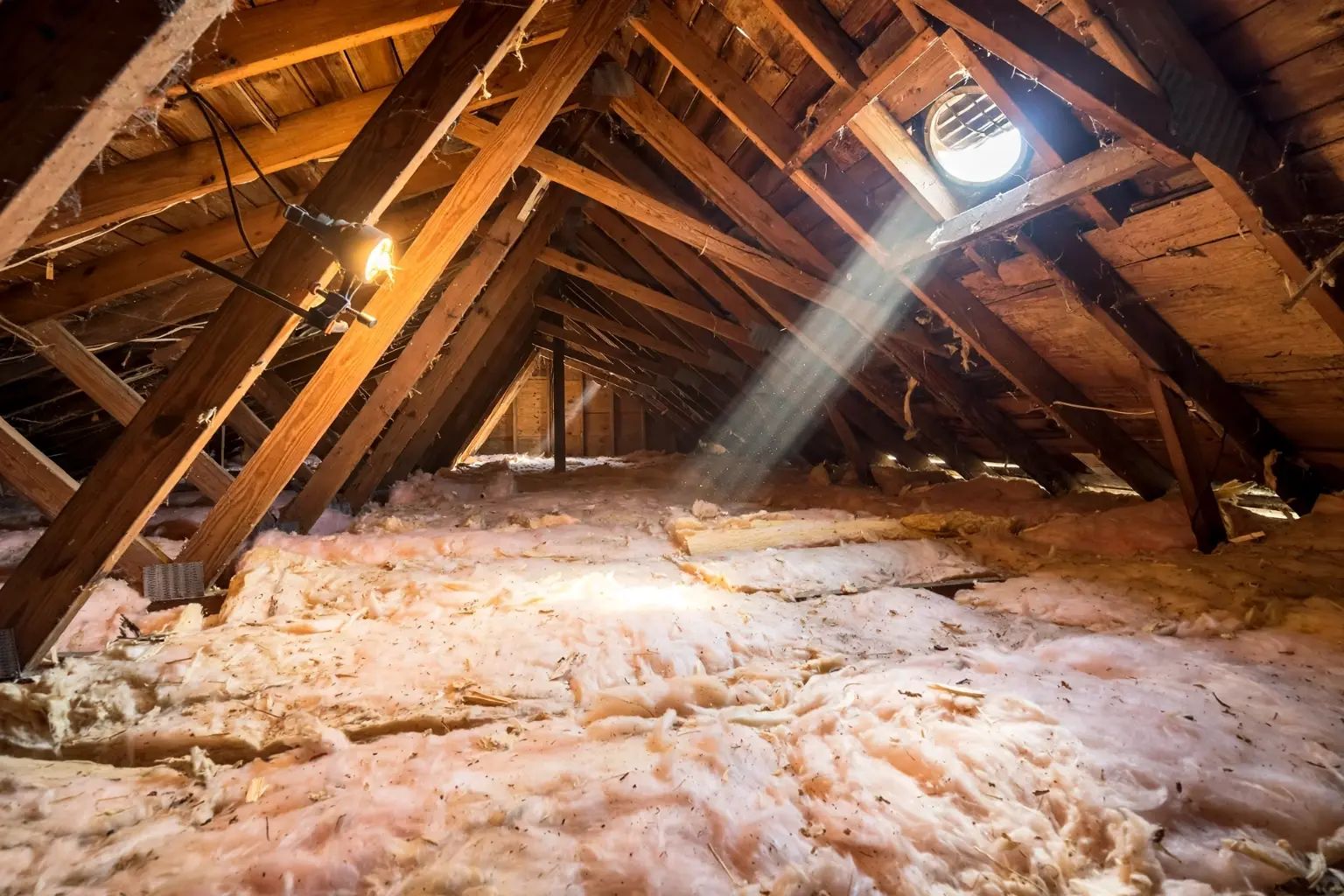
A Spring Hill attic in July is not a normal enclosed space. At 130°F to 140°F, decomposition occurs significantly faster than in a home in the Midwest or Northeast. The odor peaks earlier, and without removal of the source, it stays intense longer.
AC system pulls the smell inside
Florida homes run air conditioning almost year-round. Your AC system creates negative pressure that actively draws air from attic spaces and wall voids through ceiling penetrations into the living area. A dead rat in the attic isn’t isolated to the attic, it’s circulating through your home every time the AC runs.
Wall void inaccessibility
Most Spring Hill homes are block and stucco construction. Wall voids are enclosed. When a rat dies inside one, finding it precisely enough to justify cutting into the wall requires systematic odor mapping, not guesswork.
What Not to Do
Don’t use air fresheners or odor bombs
These add fragrance over the organic odor compounds without neutralizing them. The source is still there. The smell returns fully within hours of the air freshener fading.
Don’t cut into walls without checking the attic first
The majority of dead rat situations in Spring Hill are findable in the attic without wall access. Rats that ingested bait often die on the attic deck or in the insulation, not deep in a wall void. Checking the attic first avoids unnecessary wall damage in most cases.
Don’t wait more than a week
The source is easiest to locate in the early stages of decomposition when the odor gradient is strongest and most directional. After 10 to 14 days, the odor source disperses more broadly and is harder to pinpoint. Call within the first week for the most efficient resolution.
How the Source Is Located
Systematic odor mapping, We walk the interior room by room, identifying which walls and ceiling sections show the strongest odor concentration. The gradient narrows the source location before anything is opened.
Attic inspection first, We check the full attic for the source before any wall access is considered. If the dead animal is in the attic (the most common situation), no wall cutting is required.
Wall access only if necessary, If odor mapping confirms the source is inside a wall cavity, we identify the minimum access point and discuss it with you before any cutting. We remove the source and enzyme-treat the void. We don’t patch the wall, that’s a drywall contractor, but we document the location precisely for repair.
Enzyme deodorizer treatment, Applied to the affected area after source removal. Breaks down the organic compounds causing residual odor. Clears within 24 to 72 hours in most Spring Hill situations.
Frequently Asked Questions
How long does dead rat smell last in a Spring Hill home?
Without source removal, 2 to 4 weeks in a Spring Hill attic during summer, due to 130°F+ temperatures and year-round AC use that pulls the odor into living areas. With source removal and enzyme deodorizer treatment, 24 to 72 hours for the residual odor to clear.
The dead rat smell started after I used bait, is that why?
Almost certainly yes. Rodenticide bait causes rats to leave the nest area looking for water, and they often die inside wall voids or in attic insulation rather than in an accessible location. Mechanical trapping after exclusion is what prevents this scenario, the animal is caught in a location we can access and remove.
How do you find a dead rat inside a wall in Spring Hill?
Systematic odor mapping narrows the source to a specific wall or ceiling section. We check the attic first, the majority of bait-related deaths in Spring Hill are accessible from the attic without wall cutting. When a wall void is confirmed as the source, we identify the minimum access point before any cutting begins.