Home / Rainy Season Rodents
Every June, the Same Thing: Rats Head Indoors
Every June in Hernando County, the same thing happens. Call volume from Spring Hill homeowners who are suddenly hearing sounds in their attic for the first time, or noticing a problem has gotten significantly worse, increases sharply. By the first week of July, we’re typically scheduling at peak capacity.
What Causes the June Surge
This isn’t coincidence. It’s the rainy season surge, and it’s the most predictable annual event in Spring Hill rodent control.
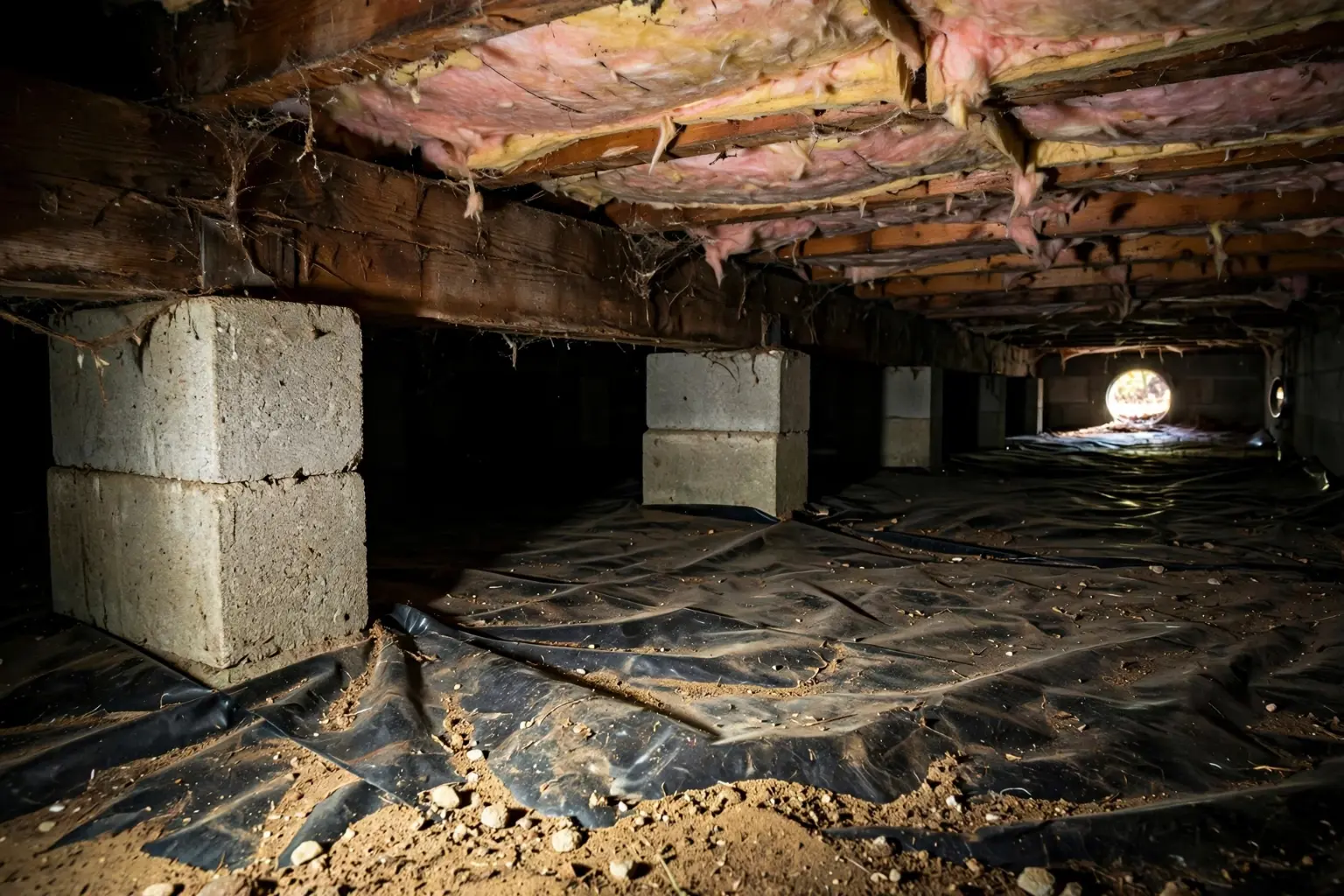
Hernando County averages 52 inches of rainfall annually. The vast majority of that rainfall, often 70% of the annual total, falls between June and September. When rainfall accumulates at rates that exceed ground drainage capacity, outdoor rodent burrows flood.
Roof rats and Norway rats that have been living in ground-level burrow systems throughout spring are suddenly displaced. Flooded burrows are no longer viable shelter. The animals relocate toward the nearest warm, dry, elevated structure, your attic.
This displacement happens across the county simultaneously. Thousands of animals are relocating toward structures during the same 2 to 4 week period when June rainfall peaks. Homes with open roofline entry points are at highest risk during this window.
Why Homes With No Prior Problem Suddenly Get One
The most common June call pattern: “We’ve lived here seven years. Never had a problem. Last week we started hearing scratching.”
The home hasn’t changed. The roof rat pressure from the neighborhood population hasn’t changed. What changed is the outdoor burrow viability. Animals that were content in outdoor burrows during the dry spring are suddenly homeless. They’re investigating every roofline in their territory, and when they find an open soffit gap on a home they’ve never entered before, they enter it.
Seven years without a problem doesn’t indicate seven years of closed entry points. It indicates seven years where the population pressure wasn’t high enough, or the outdoor conditions weren’t displacing enough animals, to result in a new infestation. June changes that calculus every year.
Why the Problem Grows Fast During Rainy Season
June through September is also the period when attic conditions are most favorable for rapid population growth. Spring Hill’s subtropical summer, warm temperatures, high humidity, abundant food pressure outside, is peak breeding condition for roof rats. A small group of displaced animals that enters an attic in early June can be a established breeding colony by mid-July.
This is why “I’ll monitor it” is a costly decision during rainy season specifically. A 2-week-old infestation in June grows faster than a 2-week-old infestation in December, because the breeding rate in summer is at its annual peak.
The Timing for Prevention
May is the most valuable month for rodent proofing in Spring Hill. A full roofline inspection and exclusion completed before the June surge closes the entry points before the displaced population begins investigating. Homes sealed in May don’t receive the June surge the same way unsealed homes do, because the surge animals find closed access points rather than open ones.
A May proofing visit costs a fraction of treating an active infestation in July. This is the most cost-effective single rodent control decision a Spring Hill homeowner can make.
Frequently Asked Questions
Why do I suddenly have rats in my Spring Hill attic every summer?
June through September rainy season floods outdoor rodent burrows across Hernando County, displacing roof rats and Norway rats toward the nearest accessible structure. If your roofline has open entry points, the annual June displacement surge finds them. The problem appears sudden because the pressure event, burrow flooding, is sudden, even though the entry points were there all along.
How do I prevent rats from getting in during rainy season in Spring Hill?
Complete roofline exclusion completed before June, ideally in April or May. Every soffit panel gap, deteriorated vent screen, and utility penetration sealed with stainless hardware cloth before the June displacement begins. A sealed roofline blocks the rainy season surge at the entry point rather than managing the aftermath.
Why is rodent control more expensive in summer in Spring Hill?
It’s not, pricing is the same year-round. What changes in summer is the cleanup scope: summer infestations grow faster in peak breeding conditions, so a summer infestation that runs 6 weeks before treatment typically produces more attic contamination than a 6-week winter infestation. The service price is the same; the remediation scope may be larger.